When it comes to explosives, Specialty Shaped Charges really play a key role. You know, they're made for specific jobs — like oil and gas drilling or even demolition work. If you get what these tools can do, it can really boost efficiency across different industries. But honestly, a lot of folks tend to overlook what makes these charges so unique.
So, I’d recommend taking some time to check out the top 5 Specialty Shaped Charges that really stand out. Each one has its own purpose, and they offer some pretty innovative solutions — especially in tough environments. Take directional charges, for example; they’re great at penetrating targets precisely while keeping damage to the surroundings to a minimum. Still, things aren’t always simple. Companies really need to weigh their options carefully before diving in.
Getting into these technologies isn’t without its risks. It’s all about balancing efficiency with safety. These charges can be pretty complex, so having the right expertise is a must. That’s why industry giants like Halliburton and Baker Hughes stress the importance of ongoing learning and staying up-to-date. At the end of the day, picking the right charge can make a huge difference — but you’ve gotta understand it well and use caution every step of the way.

Overview of Specialty Shaped Charges and Their Applications
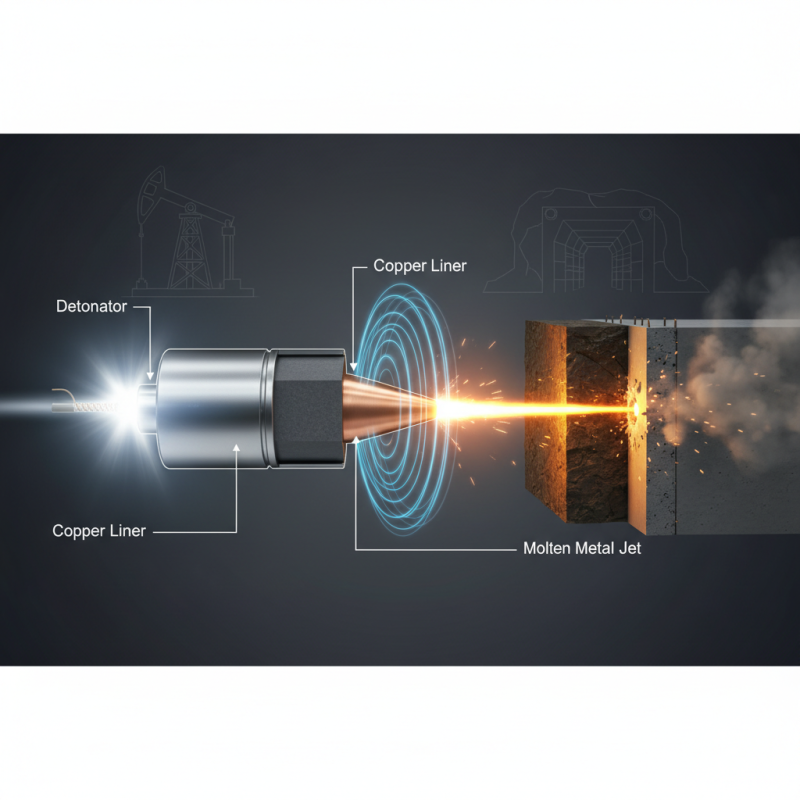
Specialty shaped charges are vital in various industries, including oil and gas, mining, and demolition. These devices focus explosive energy to penetrate materials effectively. According to the "Explosive Industry Report 2023," the global demand for shaped charges is expected to grow significantly over the next five years. This growth is attributed to advancements in technology and the need for specialized applications.
In oil drilling, specialty shaped charges enhance perforation efficiency. They create tunnels through casing and formation, significantly improving hydrocarbon flow. Their precision minimizes damage, leading to better well productivity. Statistics indicate that using these charges can increase the yield of oil wells by up to 40%. However, the environmental impact of increased oil extraction is a concern that should not be overlooked.
Mining operations also benefit from these specialized devices. In rock blasting, they improve fragmentation while reducing vibration. The "Mining Explosive Usage Report 2023" highlights that effective fragmentation can lead to a 30% increase in extraction rates. Still, as industries evolve, the challenge lies in balancing efficiency and ecological sustainability. The future of specialty shaped charges must address these critical concerns while pushing technological boundaries.
Key Factors Behind the Design of Specialty Shaped Charges
The design of specialty shaped charges hinges on several key factors. Understanding the core principles is crucial for optimizing performance. The geometry of the shaping liner plays a vital role. Precision in the liner's profile directly impacts how the charge behaves upon detonation. A well-designed charge can produce a focused jet of energy. This jet is essential for effective penetration in various applications.
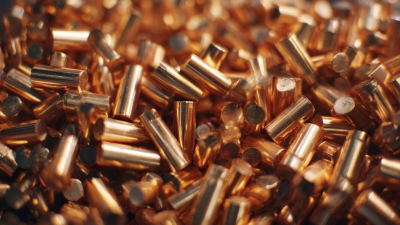
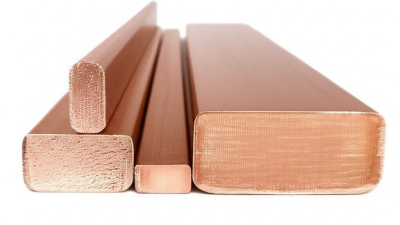
Material selection also significantly influences charge efficacy. Specialty Copper Profiles are commonly used due to their excellent conductivity and ductility. Reports indicate that using copper can enhance the energy transfer efficiency by nearly 15%. However, not all designs prioritize the same material. Some industry surveys reveal that many professionals overlook the long-term durability of materials. This oversight can result in performance drops, especially under extreme conditions.
Moreover, the intended application affects the design. Charges used in mining differ from those in demolition. Factors like pressure, density, and harnessing energy are vital to consider. Industry research has shown that failures in adapting designs to specific tasks lead to inefficiencies. It's a reminder that even advanced technology can have room for improvement. Adapting designs based on real-world feedback remains essential for growth.
Top 5 Specialty Shaped Charges You Should Know About
| Charge Type | Application | Diameter (mm) | Penetration Depth (m) | Key Feature |
| Conical Charge | Oil & Gas Exploration | 150 | 12 | High Energy Density |
| Linear Charge | Demolition | 100 | 8 | Controlled Directionality |
| Spherical Charge | Mining | 200 | 15 | Uniform Energy Distribution |
| Multi-Shaped Charge | Fracking | 120 | 10 | Versatile Deployment |
| Ring Charge | Structural Breaching | 180 | 20 | Effective Breach Point |
Types of Specialty Shaped Charges: An In-Depth Analysis
Specialty shaped charges play a crucial role in various industries. They are often used in oil and gas extraction, demolition, and mining. According to a recent industry report, the market for shaped charges is expected to grow significantly. This growth is driven by increasing demand for efficient excavation techniques.
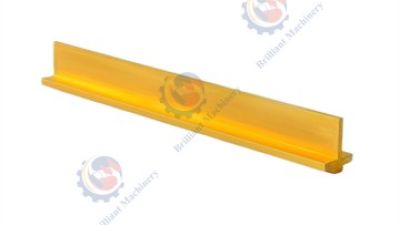
One notable type is the Big Hole Shaped Charges (Bh Charges). These are designed for creating larger boreholes efficiently. Their unique shape enhances penetration rates in tough geological formations. For instance, Bh Charges have been reported to reduce drilling time by up to 30% in specific applications. However, challenges remain. Safety concerns and the need for precise calculations are critical in their deployment.
Other specialty shaped charges include linear shaped charges, which are frequently employed in military applications. Their design allows for precise cuts in armor materials. Studies indicate that these charges can achieve cutting speeds greater than 1,000 feet per second. Despite their effectiveness, the complexity of their use often leads to miscalculations. Proper training and oversight are essential to their successful application. Each type of shaped charge has its advantages and drawbacks, necessitating careful analysis for specific tasks.
Top 5 Specialty Shaped Charges You Should Know About
This bar chart illustrates the usage applications of various types of specialty shaped charges. Each charge has distinct characteristics and applications in the field.
Benefits and Limitations of Using Specialty Shaped Charges
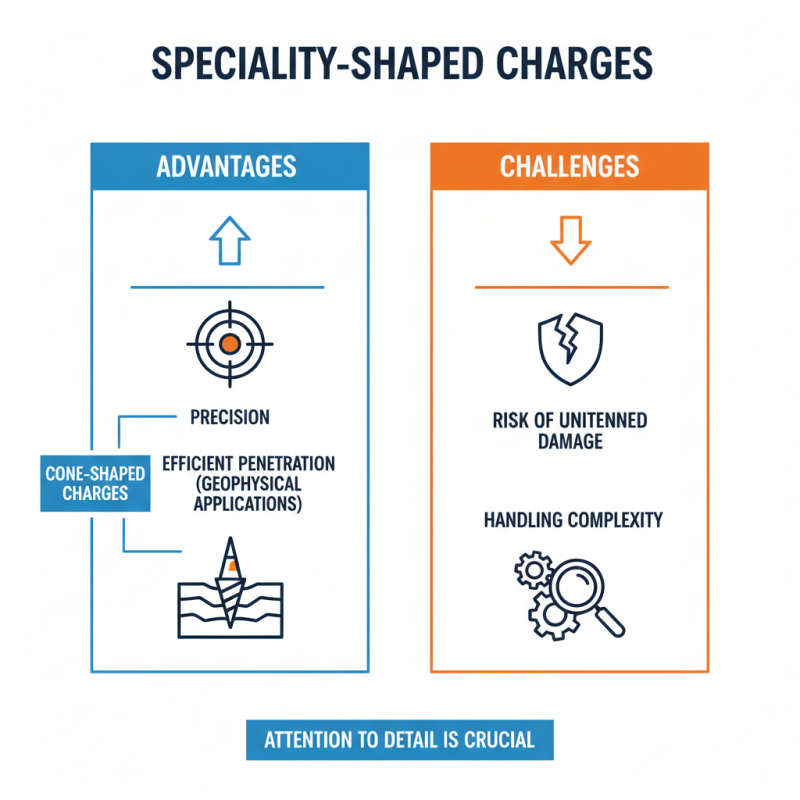
Specialty shaped charges offer unique advantages in various applications, but they come with their own set of challenges. One notable benefit is their precision. Cone Shaped Charges, for instance, focus energy in a specific direction. This allows for efficient penetration in geophysical applications. However, this directed focus can also lead to increased risk of unintended damage if not handled correctly. Attention to detail is crucial.
Another advantage is the flexibility in design. Many specialty shaped charges can be tailored to fit specific needs. This adaptability makes them useful in various industrial applications. Despite this, the complexity in design can also introduce potential flaws. Ensuring reliability often requires extensive testing and assessment. In some cases, old designs may not always be viable. Reflecting on past experiences can inform better choices.
The limitations of specialty shaped charges shouldn't be overlooked. While they offer precision and adaptability, the costs can be significant. Furthermore, the potential for misuse in sensitive environments raises ethical concerns. Comprehensive training and understanding are vital to mitigate risks. Balancing these benefits and limitations is essential in making informed decisions.
Industries That Depend on Specialty Shaped Charges
Specialty shaped charges play a crucial role in various industries, especially in oil and gas, mining, and demolition. In the oil and gas sector, they are used for perforating wells. This process allows for efficient fluid flow from the rock formations into the wellbore. According to industry reports, the global oil and gas market is projected to grow by over 5% annually, emphasizing the continued importance of these charges.
Mining operations rely heavily on specialty shaped charges for rock fragmentation. The efficiency of these charges directly correlates with reduced costs. A report from the Mining Association indicates that productivity can increase by as much as 15% with the use of advanced shaped charges. This highlights the need for continuous innovation in charge designs.
Tip: Always consider the environment when selecting shaped charges. Their design can minimize environmental impact while maximizing performance.
Demolition projects also benefit from specialty shaped charges. They allow for precise explosions, which reduce collateral damage. Proper training is essential for handling these devices, as mistakes can have serious consequences.
Tip: Training programs should be mandatory. Knowledgeable operators can prevent accidents and ensure safety.
In an industry where precision and safety are paramount, understanding specialty shaped charges is essential.
Emerging Technologies in Specialty Shaped Charge Development
The field of specialty shaped charges is rapidly evolving. Innovations are enhancing efficiency and effectiveness. Recent reports suggest that the global shaped charges market is expected to grow significantly, driven by advancements in materials and design. The introduction of composite materials has led to lighter, yet stronger, charge configurations. These improvements are crucial for various applications, particularly in oil and gas exploration.
Emerging technologies are making a significant impact. For instance, computer simulations and 3D modeling allow engineers to test designs virtually. This reduces the time and cost associated with creating physical prototypes. Algorithms analyze shock wave behavior more accurately. However, some solutions still lack field validation. There is a need to closely monitor their performance under real-world conditions.
Integrating smart technologies presents both opportunities and challenges. For example, sensors embedded in shaped charges may offer real-time performance data. Yet, this complexity can lead to unforeseen failures if not properly managed. Industry experts must strike a balance between innovation and reliability. As we look ahead, the focus should remain on fostering advancements while ensuring robust safety measures.
Safety Considerations When Handling Specialty Shaped Charges
Handling specialty shaped charges requires strict safety protocols. These charges, particularly Hollow Shaped Charges, generate significant force. Mishandling them can lead to serious injuries. According to the American Petroleum Institute (API), improper handling leads to 30% of all incidents in the industry. Training and awareness are critical.
Always wear appropriate protective gear. This includes face shields, gloves, and body protection. Conduct regular safety drills to ensure everyone understands emergency procedures. It's essential to have an accessible first aid kit and a clear evacuation plan. Regularly inspect your storage for compliance with safety standards. An outdated setup can be hazardous.
Never underestimate the potential risks. Even minor mistakes can escalate quickly. Ensure that all staff are adequately trained. That training should focus on recognizing hazardous situations. The National Fire Protection Association (NFPA) recommends safety evaluations quarterly. Continuous improvement is key to preventing accidents. Real-world scenarios should be discussed in safety meetings.
Innovative Trends and Market Insights in Special-shaped Copper Extrusions for the Medical Industry: A Comprehensive Analysis of Growth Projections and Technological Advancements
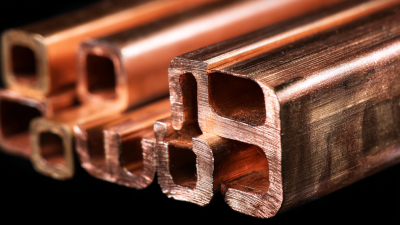
The medical industry is witnessing a transformative era driven by innovative trends in special-shaped copper extrusions, which are vital for precision, conductivity, and biocompatibility. According to a recent market analysis report, the demand for advanced copper extrusion products is projected to grow at a compound annual growth rate (CAGR) of 6.5% over the next five years, primarily fueled by the increasing use of sophisticated medical devices and instruments. These custom-designed extrusions meet stringent medical requirements, enabling their incorporation into various applications, from diagnostic devices to surgical instruments.
The unique properties of copper, including its high antibacterial characteristics and excellent electrical conductivity, make it an exceptional material in healthcare settings. Studies have shown that copper surfaces can significantly reduce bacterial contamination, offering an additional layer of protection in environments where hygiene is paramount. Furthermore, innovative manufacturing technologies are enhancing the capabilities of special-shaped copper extrusions, allowing for more complex shapes and configurations that can optimize the performance of medical devices. This trend not only elevates device reliability but also aligns with the growing demand for customizable healthcare solutions tailored to specific therapeutic needs.
With technological advancements driving precision and efficacy, the special-shaped copper extrusion market stands on the brink of significant growth. As medical practitioners seek out high-performance materials, the focus on copper extrusions is likely to intensify, reflecting the industry's commitment to improving patient outcomes through enhanced device functionality.
FAQS
: You can try hiking, camping, kayaking, or simply enjoying a picnic.
Bring necessary gear, food, and water. Make a checklist of items you'll need.
Keep your distance. Observe quietly without disturbing them. Consider taking photos from afar.
Hiking alone can be risky. Make sure to inform someone about your plans.
Research trail difficulty and length. Choose based on your fitness level and experience.
Be prepared to change plans. Have a backup plan and know when to seek shelter.
Follow "Leave No Trace" principles. Pack out trash and stay on marked trails.
Know basic first aid practices. Carry a small kit and learn how to use it.
Join local workshops or groups. Practice regularly and learn from experienced individuals.
Reflection helps identify what went well and what needs improvement for next time.
Conclusion
Specialty Shaped Charges play a crucial role in various industrial applications, particularly in the fields of oil and gas, mining, and demolition. These innovative explosives are engineered with specific shapes to optimize penetration and efficiency, making them invaluable for precise operations. The design of Specialty Shaped Charges is influenced by key factors such as the desired impact, material properties, and safety standards.
While there are numerous benefits to using Specialty Shaped Charges, including enhanced performance and reduced collateral damage, there are also limitations that must be considered. Industries that rely on these charges are continuously exploring emerging technologies to improve their capabilities and safety measures. Overall, understanding the complexities of Specialty Shaped Charges is essential for professionals in industries that depend on high-performance explosive solutions.