
01
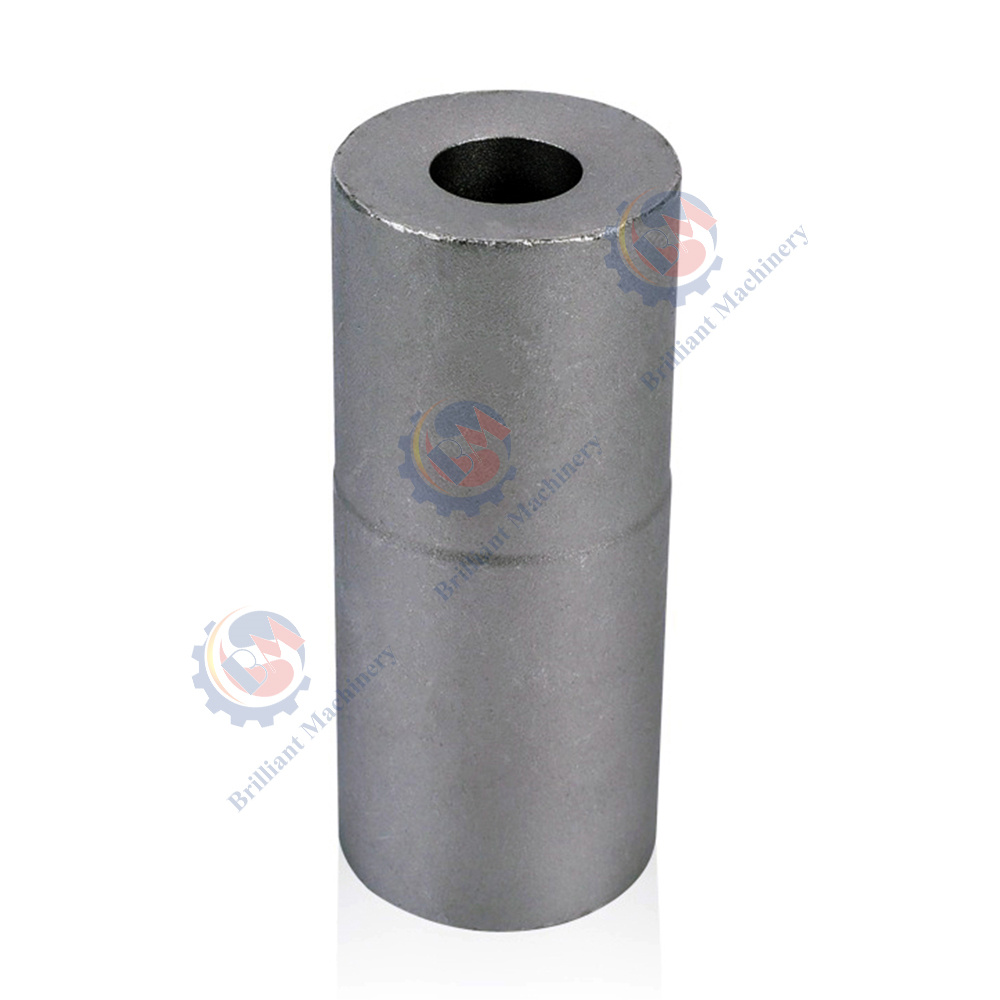
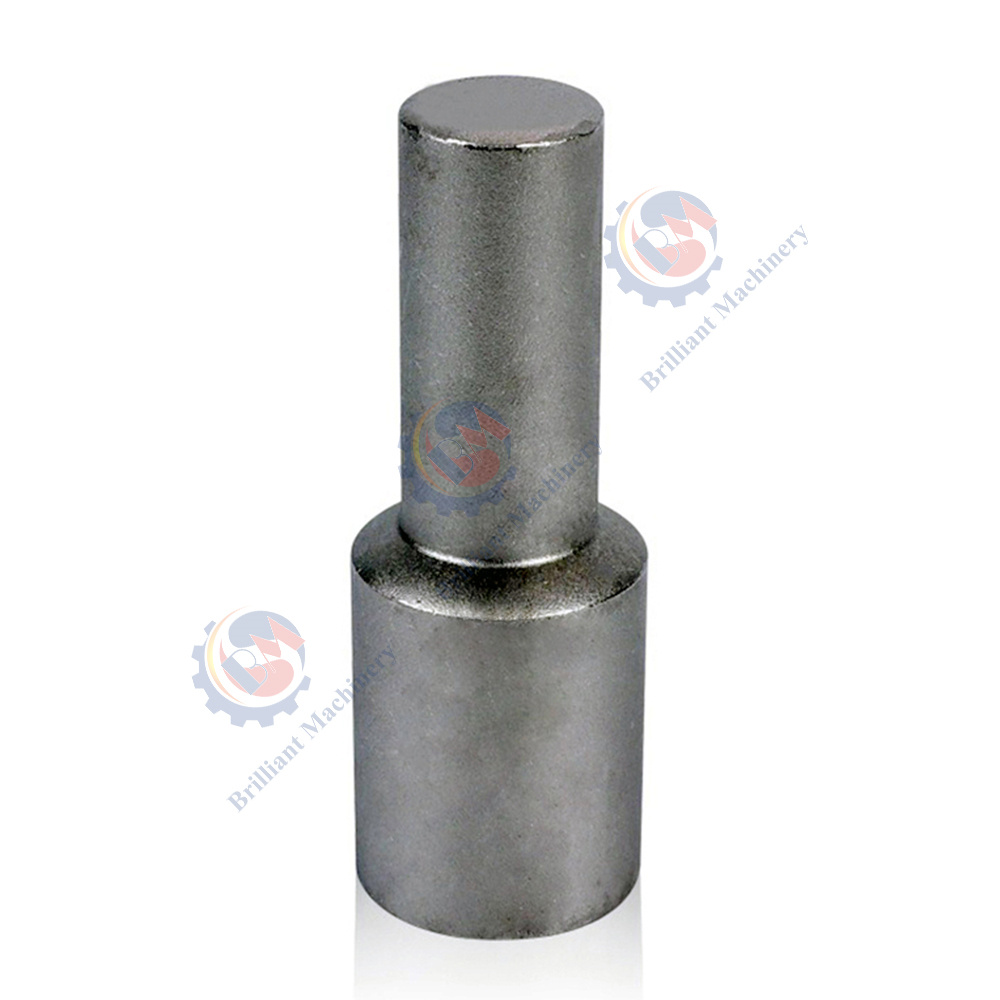
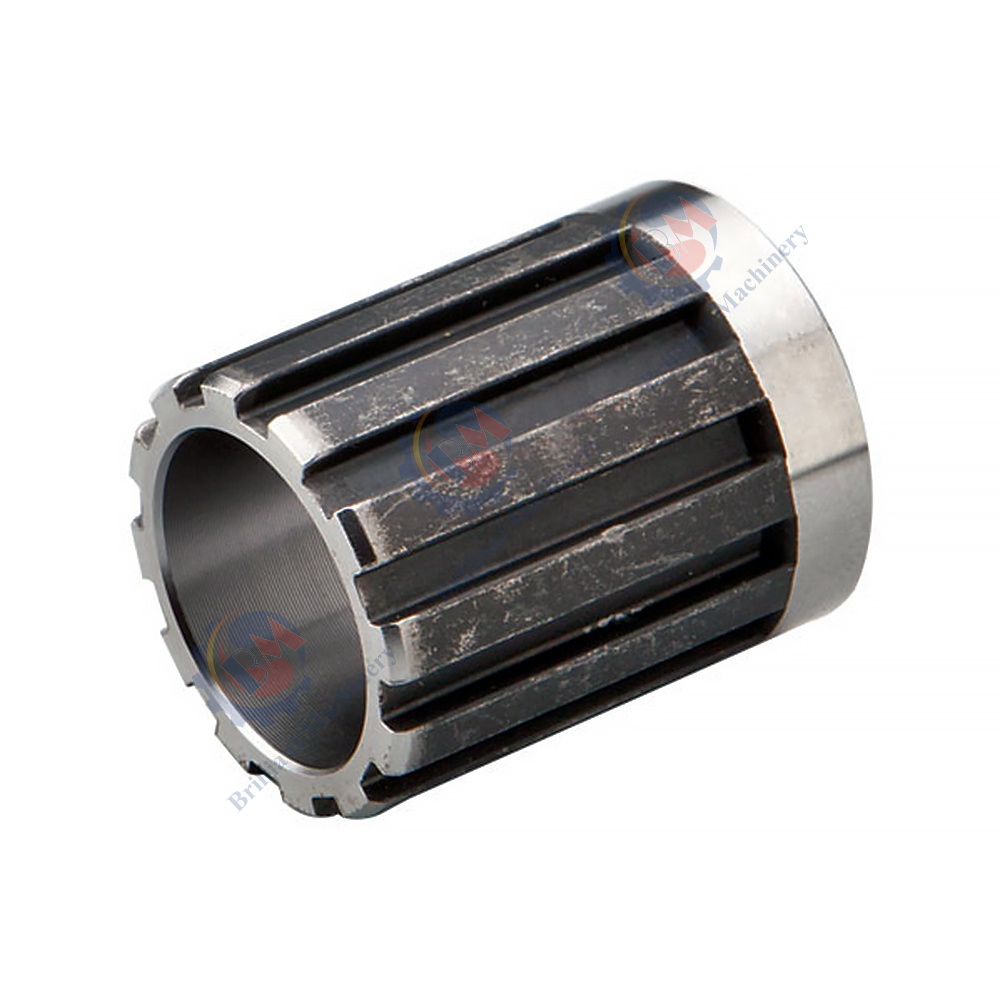
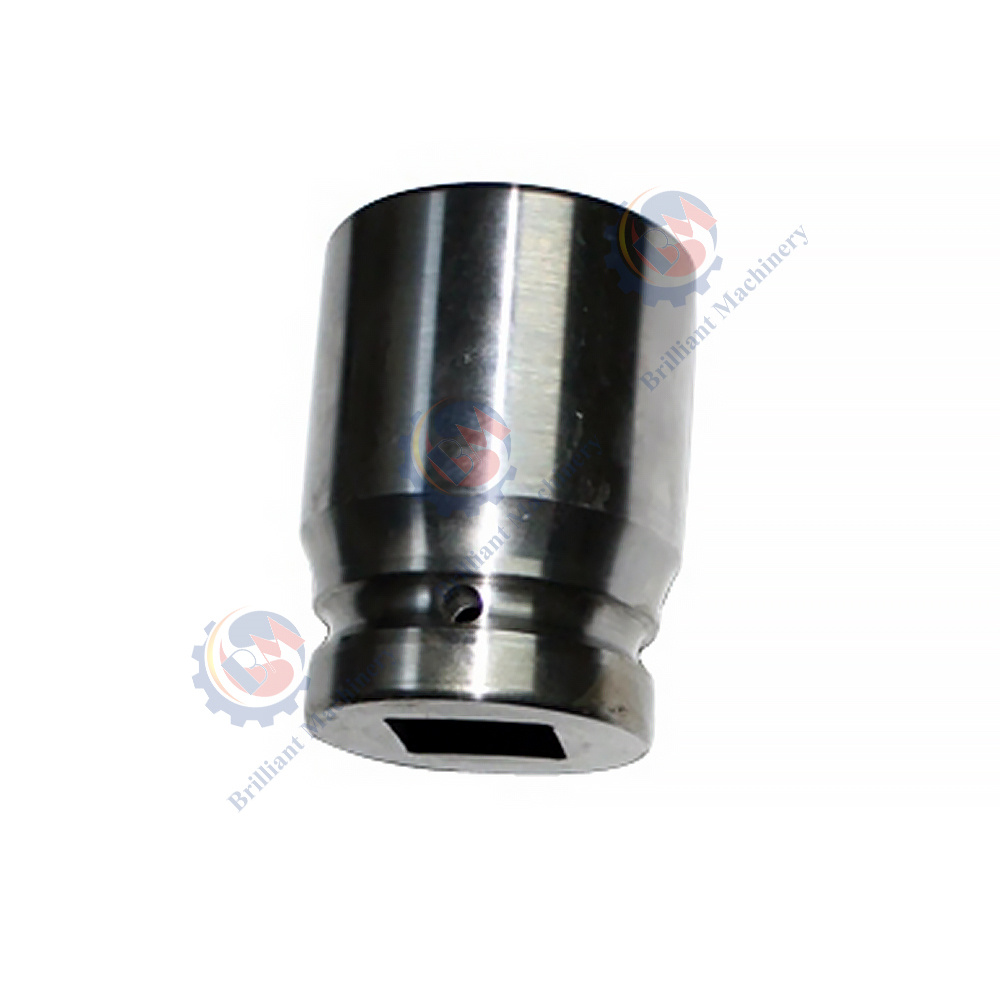
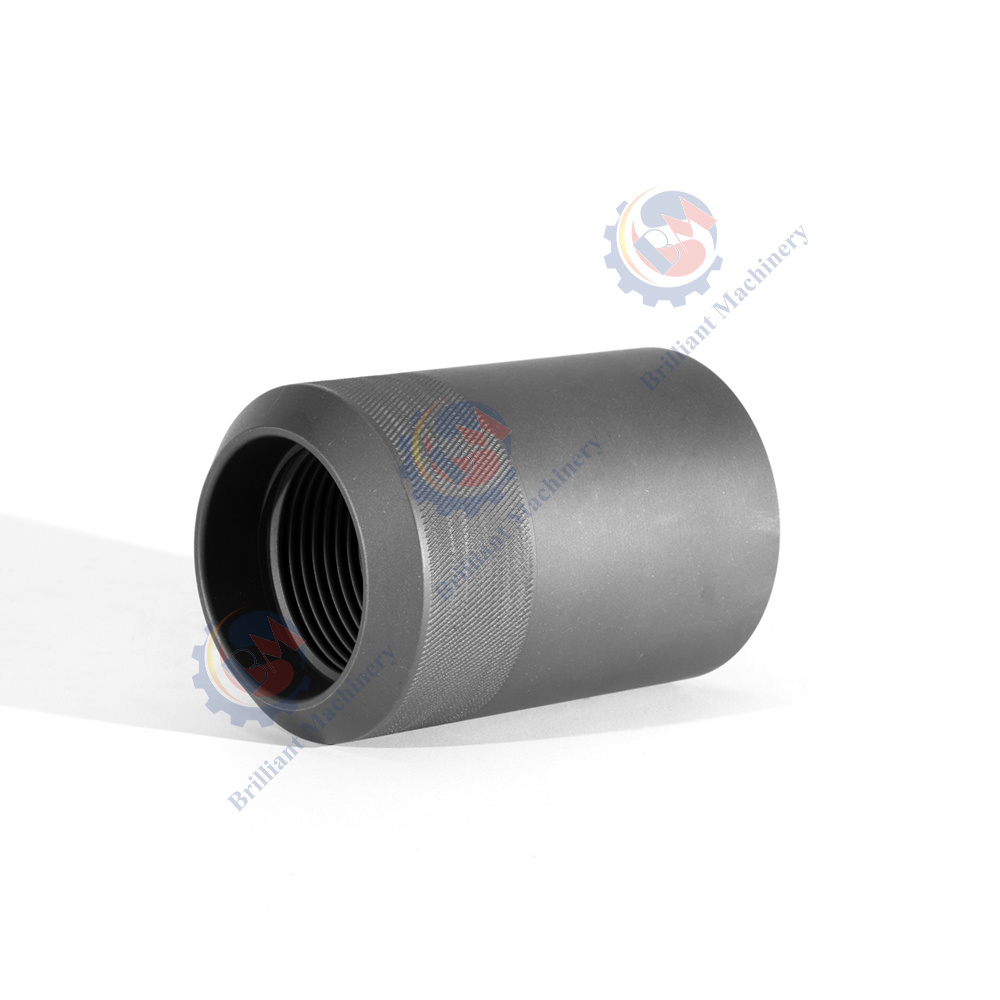
Cold-forged or Cold-extruded Spline Output Shaft
Material
Spline output shafts usually consist of strengthening materials of excellent mechanical properties and durability in respect of wearing down. The materials in widespread use comprise:
• Alloy Steel: Due to its excellent resistivity, abrasion-resistance, and toughness, alloy steel is extensively being used in heavily loaded systems.
• Carbon Steel: Versatile material, a balance of machinability and power, classically for standard usage.
• Stainless Steel: Rust-resistant, stainless steel is ideal for environments which consist of extreme environments, for example, chemicals or dampness.
• Chromium-molybdenum Steel (CrMo): This gives more strength and durability, especially under stress.
Specifications
• Material Types: Steel alloys, stainless steel, carbon steel, and molybdenum steel
• Length: Customizable based on usage requirements
• Outer Diameter: between 20mm and 100mm, depending on usage of shaft
• Spline Count and Dimensioning: Various spline geometries (i.e., involute splines) and various dimensions can be designed for respective coupling requirements
• Tolerances: Tight tolerance levels for secure operation and best functionality under perfect conditions.
Production Processes
Cold-forging and cold-extrusion are large scale manufacturing for manufacturing spline output shafts. Such manufacturing operations are as follows:
1. Cold Forging: This process entails compressing of steel under room temperature to shape the shaft, which improves its strength by improving the grain structure. The cold forging process also provides a better surface finish, making it ideal for high-performance purposes.
2. Cold Extrusion: In this process, material is squeezed under a die in an effort to give it its desired shape. The cold extrusion yields a highly homogeneous material, which is minimized in waste, resulting in maximum material utilization and tolerance.
3. Spline Forming: The splines, once the primary shape is developed, are press fitted or machined in the shaft in highly exact manners so there is an ideal interface between mating pieces.
Quality Test and Inspection
To ensure spline output shaft durability and reliability, all of its constituent part undergoes a variety of different checks for its quality:
• Dimensional Inspection: The diameter, spline pattern, and length are inspected hard tolerance.
• Hardness Testing: The levels of hardness are inspected in order for the shaft to resist operation stress without untimely wear or breakdown.
• Surface Finish Check: The surface must be a homogeneous, flat plane for proper fit and functioning, and is inspected for freedom of defects on a visible and touch.
• Fatigue Testing: Conducted for simulation of actual usage environments and for validation of the shaft under cycling loading.
Key Features
• High Strength and Longevity: The cold forming process of extrusion provides enhanced material mechanical properties, which result in stronger and enduring shafts.
• Precision Fit: The process allows for exactly shaped splines, resulting in airtight tolerance for guaranteed and predictable operation.
• Corrosion Resistance: With stainless steel material, or under protective materials, these shafts resist corrosion and rust, despite being in extreme environments.
• Energy Efficiency: The cold-forming process is less in material loss and in its intensity of energy, so more environmental-friendly.
• Wear Resistance: The improved surface finish leads to lower wear, which translates in an increase in ancillary component lifespan and in shaft lifespan.
Industry Applications
Cold-forged or cold-extruded spline output shafts are widely used across several industries, including:
• Automotive: Essential in drive trains, axles, and transmissions, in which secure torque transfer is paramount.
• Aerospace: Used in rotating critical components such as landing gears under extreme stress and fatigue.
• Industrial Machinery: The industry standard in power transmission systems, gearboxes, and machinery for which durability and precision come first.
• Oil & gas industry: The shafts find applicability in drill machinery and in machinery of a heavily duty kind under hard usage.
Packaging and Storage
Spline output shafts are shipped carefully in protective material in such a manner so as not to abrade on the surface. The standard packaging is custom boxes or crates filled in a filling material. The shafts are stored in a temperature-controlled, dry location in an effort to avoid corrosion and dimensional stability.
Shipment
Depending on destination and order size, cold-extruded and cold-forged spline output shafts may be shipped via sea, road, or aircraft. The packaging is such so as to best protect the shaft, and all such shipments track for on-time delivery.